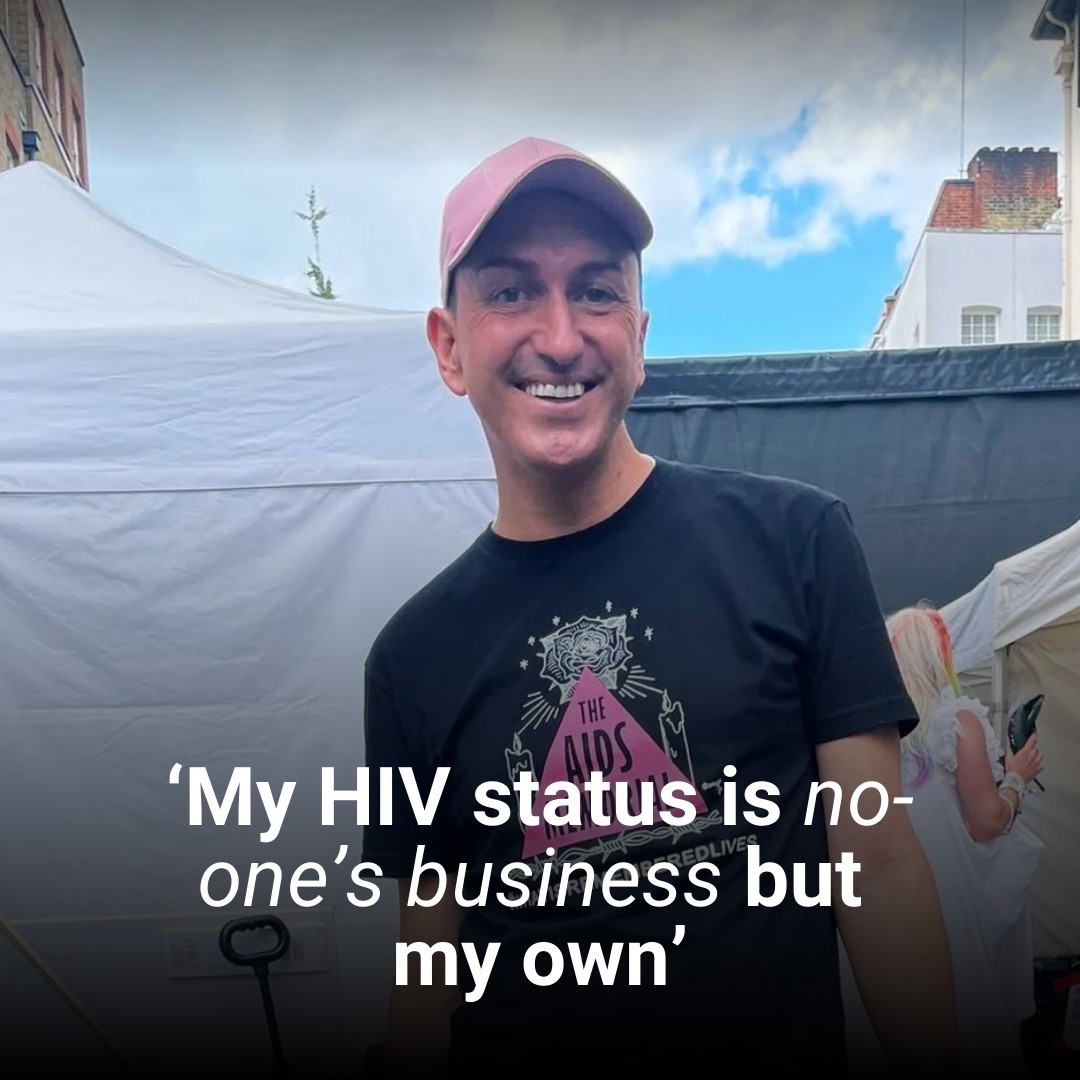
Sitting opposite my date in a lowkey coffee shop in Soho, the world went by as we chatted continuously for over an hour.
We covered everything from our day jobs and places we’d travelled to the inequality and prejudice we’d encountered as gay men.
Compared to the string of dud first dates I’d been on in the past year, this guy seemed genuinely enlightened and I was delighted to see that our views aligned.
Like me, he had experienced homophobia throughout his life and believed in the strength of LGBT+ people standing together. I felt reassured – there was genuine compassion in his thinking – and at ease. So far, so good.
Yet, despite him ticking so many initial boxes, and the fact that I felt so comfortable around him, there was one thing I wasn’t able to share.
My HIV undetectable status.
There were moments where it popped into my head, and I did try to find a good time to introduce it. Ultimately though, I didn’t because I was worried about how it would affect the mood.
It wasn’t the first time this mental block had happened.
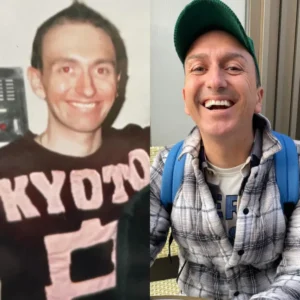
I’ve felt morally conflicted about it before, unsure as to when, if ever, I should share my HIV status while being undetectable.
It’s hard to move past the fear of rejection and years of shame I’ve harboured as a result of the uneducated and dehumanising attitudes I’ve experienced.
But the thing is, I know my HIV status is nobody’s business but my own and I have to stop feeling ashamed of it.
I have to work through my innate fear of jeopardising good things and upsetting the equilibrium.
I was hospitalised with an Aids-defining illness in September 2005.
What is HIV?
HIV (human immunodeficiency virus) is a virus that affects your immune system and weakens your ability to fight everyday infections.
What are the symptoms?
- Most people experience a short flu-like illness two to six weeks after HIV infection, which can last for a couple of weeks.
- After these symptoms disappear, HIV may not cause any symptoms for many years, although the virus continues to damage your immune system.
How is HIV passed on?
- Semen, vaginal and anal fluids
- Blood
- Breast milk
- Sharing needles, syringes or other injecting equipment
- Transmission from mother to baby during pregnancy or birth
Treatment for HIV
Antiretroviral medicines are used to treat HIV. They work by stopping the virus replicating in the body, allowing the immune system to repair itself and preventing further damage.
These come in the form of tablets, which need to be taken every day.
My CD4 count – CD4 cells being a type of white blood cell that helps your body fight infection – was nine cells per cubic millilitre of blood. For reference, a normal CD4 count is generally between 500 and 1200 cells per cubic millilitre.
I spent a tumultuous few months in hospital and eventually, a specialist Aids hospice where I was treated for Aids dementia and had to learn to read, write and walk fully again.
But thanks to expert care and advances in HIV antiretroviral therapy, I eventually emerged with my life intact.
Physically, I was very much on the road to recovery, but the psychological distress that resulted from my illness was only just beginning.
I had to come to terms with the stark reality that my life had changed profoundly at 25. But in those early days of my ‘second life’, my confidence was severely affected by the repeated misconception that people with HIV are ‘unclean’.
One of the first questions people on dating apps would ask me was, ‘Are you clean?’ which was so dehumanising (and desperately unsexy).
I was also refused treatment by dentists and, in a few instances outside of London, some medics insisted on being double-gloved.
These may seem like small inconveniences but they were soul-crushing and ate away at me. I became severely depressed and experienced PTSD, which manifested as panic attacks, mania and social anxiety.
Naturally, I found it difficult to maintain relationships because of my mental state, and this was only exacerbated by the shame I was wracked with.
Eventually, because of my fear of societal prejudice and moral judgment, I decided to keep my HIV status relatively private, with just family and close friends knowing the truth.
After all, it was my information to share.
I still had flings at that time, of course – some with guys I told about my undetectable status, and some with guys I didn’t – but that decision was often based on gauging the person I found myself with at the time and what their expectations and level of understanding was.
On the occasions where I did share my status, I felt liberated.
Those conversations almost always reaffirmed my belief that knowledge is power and the key to breaking down stigma, and it also just made me feel much better. In sharing this ‘secret’, it created more trust and with that came added comfort.
But there have been times when I’ve told people on dating apps and have been rejected almost instantly because they ‘don’t want to take risks’, despite there being literally none.
One time, I told a guy after three really nice dates, then he completely ghosted me.
Unsurprisingly, it made me sceptical and, ironically, I often choose not to share my HIV status when I connect with someone who appears understanding these days – because I don’t want to jeopardise a good thing.
That’s why, during a routine HIV checkup in 2024, I asked if it was necessary to always share my status with sexual partners.
My consultant said that because my viral load is consistently undetectable (undetectable equals untransmittable) and I take effective antiretroviral treatment (ART) every day, there is no risk to sexual partners, and so I’m not legally required to do this.
Hearing directly from a trusted medical professional that I didn’t have to share my status if I didn’t want to, was very reassuring.
Ultimately, I left feeling more confident and clear-minded, but I’d be lying if I said I didn’t still have some trepidation when it comes to sharing my status.
I still have a fear of rejection and my main concern is when to bring it up – I left it till date six with a guy once, and he was upset that I didn’t tell him sooner, saying it was a trust issue. Needless to say, we parted ways.
But I’m hoping some of that will fall away as time goes by.
When I think about it now, I regret not telling my coffee shop date. He seemed like the kind of person who would have been up to speed on this matter and would have understood.
Thankfully, some apps now have an option for adding one’s status and I have ‘undetectable’ displayed clearly on my profile which means there’s less of a burden on me.
However, the biggest comfort is knowing my HIV status is mine and mine alone.
And if that means I never share it at all – that’s entirely my decision.