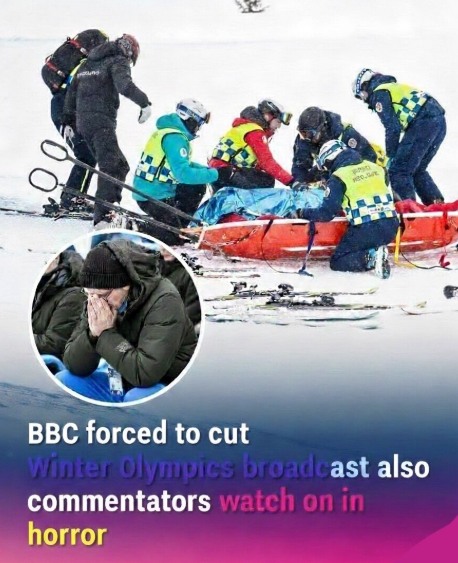
The BBC cut its live broadcast of the 2026 Winter Olympics after a dramatic crash in the men’s freeski halfpipe event stunned viewers. With the Games nearing their close, audiences had been following stories of triumph and heartbreak, but Friday at Livigno Snow Park, excitement turned to alarm. A gold medal favorite fell heavily during his run, a stark reminder of the risks elite athletes face. Commentators quickly shifted the broadcast away from close-up footage, and the celebratory tone gave way to concern.
The athlete was 19-year-old New Zealander Finley Melville Ives, a rising star in freeskiing known for his amplitude, technical skill, and composure. The halfpipe demands precision and daring, with athletes linking flips and spins while dropping down the icy walls. On Friday, conditions seemed favorable, and the crowd buzzed with anticipation. Few expected one of the event’s marquee names to see his Olympic campaign end so suddenly.
Melville Ives’ first qualification run left him outside the automatic spots for the final. On his second run, he increased the difficulty, attempting a complex rotation at roughly five metres above the pipe. The jump initially looked spectacular, but his landing failed—one ski detached, and he crashed hard, sliding down the slope. Gasps rippled through the audience as commentators reacted with visible distress.
Medical personnel were on the scene within moments. The BBC cut away from close-up shots, while medics assessed the skier. Fellow competitors watched anxiously from the sidelines. After several tense minutes, Melville Ives was carefully stretchered off the course, with the crowd applauding in respect.
Hours later, the New Zealand Olympic team confirmed via social media that he was stable, with family, and remained positive. Fans were relieved, but the incident reignited discussion about the dangers of modern freestyle skiing, where progression demands higher spins, trickier grabs, and daring landings.
Even with advanced safety protocols and medical teams on-site, the margin for error remains narrow. The crash followed a recent high-profile fall by Lindsey Vonn, highlighting the physical toll of elite winter sports.
As the Games approach their closing ceremony, the image many will remember is of a young skier pushing boundaries. The BBC’s decision to cut away emphasized dignity over spectacle.
Ultimately, the story is about resilience—of an athlete beginning a challenging recovery and of a sport balancing artistry with risk.