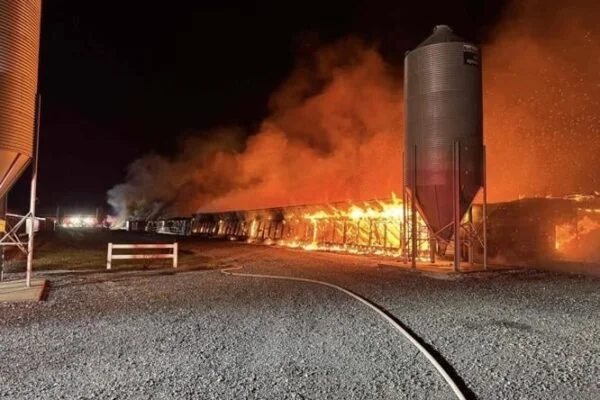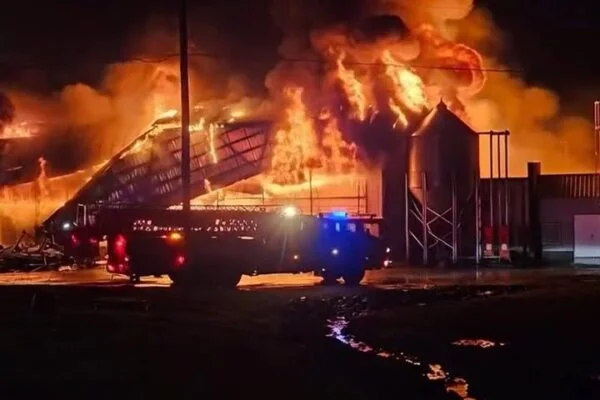
A fire in the Pamplona Alta sector of San Juan de Miraflores turned an ordinary Saturday into a moment of upheaval. Within hours, a tightly built neighborhood was transformed, with many homes damaged or destroyed. For residents, the impact was immediate—changing both their physical surroundings and their sense of security.
Early information suggests that a significant number of structures were affected, though exact totals are still being verified. In areas where homes are built closely together and often from vulnerable materials, a single ignition can spread quickly. Many families had to evacuate without time to gather belongings, leaving behind homes now lost entirely.
Firefighters described major challenges in reaching the area. Narrow paths, steep and uneven terrain, and densely built housing slowed their movement. Equipment had to be adapted, and responders worked under conditions far different from more accessible neighborhoods. These obstacles did not cause the fire, but they shaped its progression.
Investigators are reviewing whether the fire may have begun in, or been intensified by, an unlicensed pyrotechnics operation within the community. Videos recorded by residents show smaller explosions during the blaze, suggesting the presence of combustible materials. Authorities are approaching the investigation carefully, as determining cause requires evidence and technical review.
As the flames settled, attention shifted to those displaced. Families gathered in nearby areas awaiting assistance, with temporary shelters being organized. Immediate needs include food, water, medication, and basic supplies. Many residents left behind essential documents and personal items in the rush to escape.
The event reflects a broader vulnerability. In areas with limited infrastructure and oversight, risks accumulate quietly. Hazardous activities within residential zones increase danger, often without full awareness of the potential consequences.
For the people of Pamplona Alta, the focus now is on beginning again. Recovery will require time, coordinated support, and attention to both immediate needs and long-term safety.
Above all, what matters most is that those affected are supported as they work to rebuild their lives.