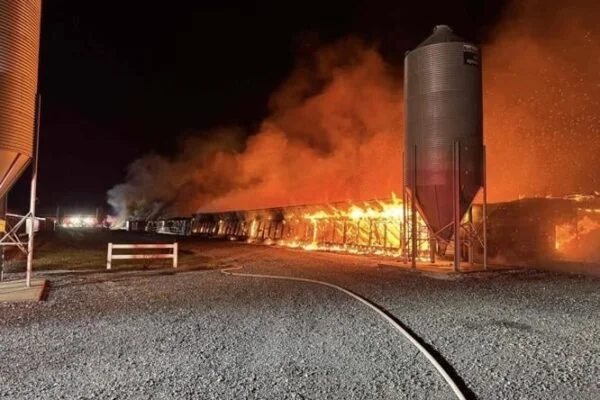
In the age of social media, headlines that begin with phrases like “Tel Aviv, 10 minutes ago…” are designed to create a sense of urgency and immediacy. They spread quickly, often faster than verified reporting, particularly during moments of rapid escalation in regional conflicts. A recent example circulating online via sites such as trendsparknews.com claimed that Israel’s president “just confirmed ongoing developments” and paired the statement with dramatic descriptions of Beit Shemesh and its alleged rapid escalation.
While these posts are technically shareable and often based on snippets of real events, their urgency can mislead readers. Using real locations, real officials, or recognizable public figures gives the posts a veneer of credibility—even when details are incomplete, exaggerated, or recycled from other coverage. For journalists, website editors, and content creators, it is critical to distinguish between:
Viral claims—what a social post asserts in short, attention-grabbing language.
Verified reporting—what reputable outlets, official statements, and primary sources actually confirm.
Uncertain or evolving information—elements that remain unclear or subject to revision as investigations unfold.
Below, we explore the Beit Shemesh incident within this framework, provide context for the ongoing Israel–U.S.–Iran tensions, and outline best practices for reporting responsibly and safely.
Why “Just Now” Headlines Can Mislead
Breaking-news formats on social media thrive on speed. A post that starts with “Tel Aviv, minutes ago…” prompts instant reactions from audiences who may not pause to verify details. While this format can be effective for rapid updates, it carries several risks, especially in conflict zones:
Information volatility: Casualty figures, damage reports, and cause-of-impact details are often provisional and change as emergency services complete assessments.
Recycled claims: Posts may combine previous reporting with new but unverified statements, creating a hybrid story that feels current but is partially outdated.
Attribution gaps: Viral posts often cite “officials” without specifying which government agency or spokesperson made the statement, or reference public figures without linking to primary sources.
Professional newsrooms handle these challenges through careful editorial protocols. Early casualty counts and impact reports are labeled provisional until verified by authorities, and updates are issued as more accurate information becomes available.
For example, during the ongoing Israel–Iran escalation, multiple international outlets have reported intense activity across the region in a short time frame. This rapid pace contributes to confusion, amplifies rumors, and increases the likelihood of misinformation spreading via viral posts.
Verifying Official Statements: Israel’s Presidency
The trendsparknews post claimed that Israel’s president “confirmed ongoing developments.” Israel’s president is Isaac Herzog, and multiple reputable sources have documented his public statements and site visits during the current escalation.
Herzog visited Beit Shemesh following an incident in which initial reports indicated nine fatalities. The visit was documented on the official Israeli presidency website and reported by several major outlets, including The Times of Israel and i24NEWS. Statements made during the visit focused on:
National resilience in the face of attacks.
Support for victims and their families.
Ongoing coordination with emergency services and defense forces.
This official confirmation anchors claims in a primary source rather than relying on reposts or viral posts with unspecified attribution. It also provides the factual basis for any responsible reporting about the incident.
The Beit Shemesh Incident: What Reputable Reports Confirm
Multiple reputable outlets have confirmed that Beit Shemesh sustained a direct impact related to Iranian missile launches, resulting in civilian casualties. Key points consistently reported include:
Timing: The incident occurred on March 1, 2026, with follow-up coverage on March 2 documenting official visits and emergency responses.
Casualties: At least nine fatalities were reported, with dozens of injuries, though the exact numbers varied slightly across different reports and updates.
Sheltering: Many of those harmed were inside a public shelter or protective structure at the time.
Official presence: Jerusalem District police chief Avshalom Peled, serving as Deputy Commissioner, spoke at the scene, providing authoritative accounts of what happened.
To maintain publication safety and AdSense compliance, the language should remain cautious and factual:
“Officials and major outlets reported nine fatalities and dozens of injuries, with many people sheltering at the time.”
This phrasing reflects the verified facts without overstating unconfirmed details.
Structural Claims and Viral Narratives
Some viral posts suggested that a synagogue collapsed onto a shelter beneath it, causing casualties. Established reporting confirms that the strike affected a synagogue area and a connected shelter, but the exact structural details remain unverified across multiple outlets.
For responsible publication, a safer phrasing is:
“Reports described a strike affecting a synagogue area and a nearby or connected shelter space, with many people inside.”
This communicates the core verified point—people were harmed while sheltering—without speculating on engineering or collapse mechanisms.
Sheltering and Civil Defense in Conflict
Modern conflict zones highlight a sobering reality: sheltering reduces but does not eliminate risk. In the Beit Shemesh incident, questions arose about the performance of civil defense infrastructure and interception systems under heavy missile barrages. Key takeaways for readers include:
Shelters significantly reduce risk from blasts and debris.
Protection depends on construction quality, distance from impact, and type of ordnance.
Officials routinely review warning systems and protective infrastructure after major incidents.
These insights help contextualize the incident responsibly, avoiding fear-driven speculation while conveying essential safety information.
Wider Regional Context
The Beit Shemesh incident occurred amid a broader cycle of escalation between Israel, Iran, and allied forces. Multiple major outlets describe the conflict as rapidly intensifying, with ongoing military activity, diplomatic pressure, and widespread disruption.
Israeli officials have emphasized alignment with the United States to prevent Iranian nuclear advancements.
Humanitarian agencies and the United Nations have raised concerns about civilian safety, particularly for children and noncombatants.
Casualty and damage assessments remain provisional, reflecting the fluidity of the situation.
Situating Beit Shemesh within this broader context allows readers to understand the significance of the incident without inflating its scale or relying on sensational claims.
Assessing Viral Source Credibility
The trendsparknews post demonstrates a common format for viral aggregation: compressed phrasing, abrupt “seemore” breaks, and claims framed as immediate confirmations. While such posts may contain kernels of truth, they require verification through primary sources:
Israeli presidency website for official statements and site visits.
Major outlets with named correspondents reporting from the ground.
Wire services like Reuters for corroboration.
In the case of Beit Shemesh, Herzog’s public statements, police briefings, and multiple news reports provide sufficient verification. However, the “10 minutes ago” framing does not constitute evidence of exclusivity or freshness.
How to Publish Safely for AdSense
For content creators or editors looking to cover these events while complying with Google AdSense policies, the following practices are recommended:
Use neutral language: Terms like “reported,” “officials said,” and “according to” clearly signal sourcing.
Avoid graphic detail: Steer clear of vivid descriptions of injury or death.
Cite reputable sources: Official government statements, established national outlets, and wire services.
Avoid predictions: Refrain from speculating about “what happens next” unless quoting named officials.
Avoid sensationalism: Headlines and thumbnails should focus on facts rather than fear-inducing language.
These steps reduce policy risks, protect credibility, and ensure the safety of readers during sensitive coverage.
Summary of Verified Information
President Isaac Herzog has made public comments and site visits tied to impact areas, including Beit Shemesh, according to official sources.
Multiple outlets report nine fatalities and dozens of injuries in Beit Shemesh following an Iranian ballistic impact, with many victims sheltering at the time.
The broader Israel–U.S.–Iran escalation is ongoing, with official statements, diplomatic developments, and humanitarian concerns evolving rapidly.
By focusing on verified reporting and neutral phrasing, journalists and website operators can inform audiences responsibly without amplifying rumor or panic.
The Importance of Responsible Conflict Reporting
The Beit Shemesh incident highlights the challenge of reporting during fast-moving conflicts. Viral social posts may create a sense of immediacy, but without verification, they risk spreading misinformation, inflaming public sentiment, and endangering credibility.
Responsible reporting involves:
Prioritizing official and verified sources.
Contextualizing events within larger geopolitical or humanitarian frameworks.
Balancing urgency with accuracy, especially in casualty reporting.
Avoiding sensationalism, speculation, and emotionally loaded language.
For readers, the lesson is similar: cross-check claims, consider the source, and recognize that in conflict zones, early reports are often provisional and subject to change.
Conclusion
The phrase “Tel Aviv, 10 minutes ago…” may capture attention, but it does not guarantee accuracy. In fast-moving regional conflicts, separating verified facts from viral claims is essential for public understanding and responsible reporting.
For the Beit Shemesh incident:
Verified sources confirm a serious impact resulting in fatalities and injuries.
President Isaac Herzog and local authorities have addressed the situation through public statements and site visits.
Wider regional developments continue to evolve rapidly, and early figures are subject to updates.
By reporting with caution, citing reputable outlets, and maintaining neutral language, media platforms can cover urgent developments safely, responsibly, and in line with AdSense and journalistic standards.