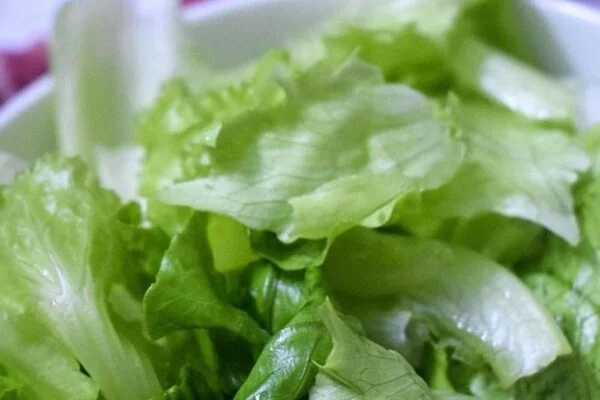
Lettuce has long been one of those quiet staples that almost everyone keeps in their kitchen without thinking too much about it. It shows up in salads, sandwiches, wraps, and simple side dishes, bringing with it a fresh crunch and a lightness that feels almost effortless. Its mild taste makes it easy to pair with nearly anything, which is why it often becomes the base of so many everyday meals—especially when the weather is warm or when something lighter feels more appealing.
At first glance, lettuce might seem too simple to offer much beyond texture and freshness. It’s often associated with light eating or even restrictive diets, but that perception doesn’t tell the full story. When used thoughtfully, it can play a meaningful role in a balanced way of eating—though, like many raw vegetables, it comes with a few considerations that are easy to overlook.
One of the most noticeable things about lettuce is how much water it contains. That alone makes it refreshing and hydrating, especially when meals feel heavy or when temperatures rise. It adds volume without adding many calories, which can help create a sense of fullness when combined with other ingredients. In that sense, it supports not just lighter meals, but also more balanced ones when paired properly.
Depending on the type, lettuce can also contribute a modest amount of fiber, helping to round out the overall quality of a meal. But perhaps its greatest strength is how easy it is to eat. For people who struggle to include vegetables in their routine, lettuce becomes an accessible starting point—neutral in flavor, soft in texture, and adaptable to almost any dish.
That adaptability is what makes it so useful. It slips easily into salads, wraps, tacos, grain bowls, and sandwiches without requiring much preparation. It doesn’t demand attention, but it quietly improves the overall balance of a meal.
Still, there are details that matter.
Because lettuce is typically eaten raw, proper washing becomes essential. It can carry traces of dirt or unwanted residues, and skipping that step can turn something healthy into something risky. Taking a moment to clean it thoroughly makes all the difference.
There’s also the question of digestion. While lettuce itself isn’t harmful, eating large amounts of raw vegetables can sometimes lead to bloating or discomfort for certain people. In those cases, moderation tends to work better than elimination. Paying attention to how the body responds is often enough to find the right balance.
Another common misunderstanding is treating lettuce as a complete meal on its own. Its lightness is part of its appeal, but it also means it lacks the depth needed for полноценна nutrition. On its own, it won’t provide enough energy or variety. But when combined with proteins, healthy fats, and other vegetables or grains, it becomes part of something far more satisfying and complete.
That’s where simple adjustments can elevate it. A basic salad becomes more balanced with the addition of tomatoes, carrots, cucumbers, or legumes. Adding chicken, eggs, or nuts introduces protein and richness. Even switching between different varieties of lettuce throughout the week can bring subtle changes in texture and flavor that keep meals from feeling repetitive.
It can also move beyond the salad bowl. Used in wraps or layered into sandwiches, lettuce adds a crisp contrast that makes everything feel lighter and fresher without overpowering other ingredients.
In the end, lettuce isn’t about complexity. It’s about how something simple, when used with a bit of awareness, can quietly improve everyday meals.
Not by standing out…
but by fitting in just right.