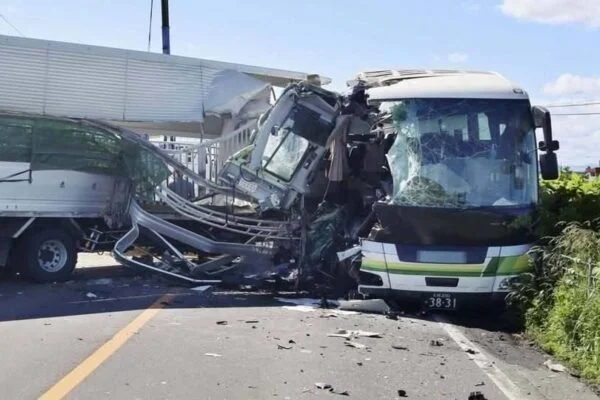
A serious road accident involving a passenger bus and a heavy truck has drawn widespread attention and concern, following reports that multiple lives were lost and several others were injured. The collision, which occurred on a busy highway, serves as a sobering reminder of the risks associated with road travel and the importance of safety, awareness, and responsible driving practices.
While authorities continue to investigate the exact cause of the incident, early reports indicate that the crash involved a loss of control that led to a high-impact collision between the two vehicles. Emergency responders acted swiftly, transporting injured passengers to nearby medical facilities and securing the area to prevent further harm.
This article provides a detailed, responsible overview of the incident, the response from emergency services, and the broader implications for road safety and community awareness.
Overview of the Incident
According to initial reports, the accident took place on a major highway during a period of regular traffic flow. A truck traveling along the route reportedly lost control and veered into the path of an oncoming passenger bus. The resulting collision caused significant disruption to traffic and led to a large-scale emergency response.
Authorities confirmed that multiple fatalities occurred, and several passengers sustained injuries of varying severity. Emergency services arrived promptly, prioritizing medical assistance and ensuring that survivors were transported to healthcare facilities for treatment.
Due to the seriousness of the collision, the affected section of the highway was temporarily closed. Traffic diversions were implemented while investigators worked to document the scene and assess contributing factors.
Emergency Response and Rescue Efforts
One of the most critical aspects of any major road incident is the speed and efficiency of the emergency response. In this case, first responders—including paramedics, firefighters, and law enforcement officers—acted quickly to provide assistance.
Immediate Medical Support
Paramedics focused on assessing injured individuals and providing immediate care. Those requiring urgent medical attention were transported to nearby hospitals, where medical teams prepared to handle multiple patients simultaneously.
Hospitals often activate emergency protocols in such situations, ensuring that staff, equipment, and resources are available to manage sudden increases in patient intake.
Securing the Scene
Fire and rescue teams worked to secure the accident site, ensuring that no further hazards posed a risk to survivors or responders. This included managing traffic, stabilizing vehicles, and creating safe access points for medical teams.
Coordination Among Agencies
Effective communication between emergency services played a crucial role in managing the situation. Coordinated efforts ensured that resources were allocated efficiently and that all aspects of the response—from rescue to investigation—were handled systematically.
Ongoing Investigation
Authorities have launched a formal investigation to determine the cause of the collision. While preliminary reports suggest that the truck may have lost control, investigators are examining multiple factors before reaching any conclusions.
Potential Contributing Factors
Several elements are typically considered in such investigations:
Driver condition: Fatigue, distraction, or health issues may affect driving ability.
Vehicle condition: Mechanical failures, such as brake issues or tire problems, can contribute to accidents.
Road conditions: Weather, road design, and surface quality may influence vehicle control.
Traffic patterns: Congestion and speed variations can increase the risk of collisions.
Investigators will analyze available evidence, including vehicle data, eyewitness accounts, and roadway conditions, to establish a comprehensive understanding of what occurred.
Importance of Accurate Reporting
Officials have emphasized the need to rely on verified information rather than speculation. Accurate reporting helps ensure that conclusions are based on evidence and that appropriate measures can be implemented to prevent similar incidents in the future.
Impact on the Community
Incidents of this nature have far-reaching effects beyond those directly involved. Families, friends, and communities are deeply affected, and the emotional impact can be significant.
Support for Families
Local authorities and organizations have expressed their condolences to the families affected by the incident. Support services, including counseling and helplines, have been made available to assist those coping with loss or trauma.
Community Response
Communities often come together during difficult times, offering support and solidarity. Vigils and memorial gatherings provide opportunities for people to honor those affected and to reflect on the importance of safety and care.
The Importance of Road Safety Awareness
While investigations continue, incidents like this highlight the importance of road safety for all users. Preventive measures and responsible behavior can significantly reduce the risk of accidents.
Safe Driving Practices
Drivers play a crucial role in maintaining road safety. Key practices include:
Maintaining appropriate speed: Adjusting speed according to traffic and road conditions.
Staying alert: Avoiding distractions such as mobile phone use while driving.
Ensuring rest: Taking breaks during long journeys to prevent fatigue.
Following traffic rules: Adhering to signals, lane markings, and road signs.
Vehicle Maintenance
Regular vehicle inspections can help identify and address potential issues before they become serious. Ensuring that brakes, tires, lights, and other components are in good condition is essential for safe travel.
Infrastructure and Policy
Road safety is also influenced by infrastructure and regulations. Well-maintained roads, clear signage, and effective traffic management systems contribute to reducing accident risks.
Authorities may use findings from investigations to implement improvements, such as enhanced safety measures or updated regulations.
Lessons from the Incident
Although each accident has unique circumstances, there are broader lessons that can be applied to improve safety and awareness.
The Need for Vigilance
Drivers must remain vigilant at all times, recognizing that even small lapses in attention can have serious consequences.
Preparedness of Emergency Services
The swift response in this case demonstrates the importance of well-trained and coordinated emergency teams. Continued investment in training and resources is essential for effective crisis management.
Community Awareness
Public awareness campaigns can play a key role in educating individuals about safe driving practices and encouraging responsible behavior.
Supporting Those Affected
In the aftermath of a serious accident, supporting affected individuals and families is a priority.
Emotional Support
Grief and trauma can have lasting effects, and access to counseling services can help individuals process their experiences and begin healing.
Practical Assistance
Communities and organizations may provide assistance with practical needs, such as transportation, financial support, or coordination of services.
Long-Term Recovery
Recovery from such events takes time, and ongoing support is often necessary. Community engagement and empathy can make a significant difference in helping individuals rebuild their lives.
Responsible Media Coverage
Reporting on sensitive incidents requires a careful balance between informing the public and respecting those affected. Responsible coverage avoids sensationalism and focuses on verified information, context, and constructive insights.
By emphasizing safety, awareness, and community support, media coverage can contribute positively to public understanding and encourage preventive action.
Conclusion
The recent highway collision involving a passenger bus and a truck is a tragic reminder of the importance of road safety and responsible driving. While the loss of life is deeply saddening, the incident also highlights the dedication of emergency responders and the resilience of communities coming together in times of need.
As investigations continue, the focus remains on understanding the causes and preventing similar incidents in the future. By promoting safe driving practices, maintaining vehicles, and supporting effective infrastructure, individuals and authorities can work together to reduce risks on the road.
Ultimately, this incident serves as a call to action—for greater awareness, stronger safety measures, and a shared commitment to protecting lives. Through collective effort and responsible behavior, it is possible to create safer roads and prevent future tragedies.